A simple experience about RESTful API with Django.
If you want to have an experience on RESTful API with Django. This is a full guide for you.First you need to know, I did this project using a youtube video on this link. Also, you can follow steps here and use the code in the repository.
Download Django web framework from www.djangoproject.com, or using pip (Python built-in package installer).
Create the virtual environment using Terminal: $ python3 -m venv [name]
Goninto the virtual environment using Terminal: $ source [name]/bin/activate
Install Django using Terminal: $ pip install django
Create a project using Terminal: $ django-admin startproject [name]
Go into the folder using Terminal: $ cd [project-name]
Run django using Terminal: $ python manage.py runserver
Create an app in teh project folder using Terminal: $ django-admin startapp [name]
Go to python_api/python_api/setting.py, add the app-name in INSTALLED_APPS. (e.g. ‘myapp’)
In python_api/myapp/models.py add our model. you can copy from this repo.
Convert the model that you made, into a SQL table using Terminal: $ python manage.py makemigrations
Do the same convertation for the app too, using Terminal: $ python manage.py makemigrations myapp
Finish the previous step by run this command on terminal: $ python manage.py migrate
In python_api/python_api/urls.py add our api urls. you can copy from this repo.
In python_api/myapp/views.py add our logic API and codes. you can copy from this repo.
Now, you can test your APIs, just don’t forget to run this command before testing: $ python manage.py runserver
Notes
At the end you will have two folder. the folder that hold our projects code titled as the name that choose for the project, and a folder as virtual environment to hold all of dependencies.
Uma pokedex seria uma aparelho que teria todas informações sobre os pokémons, os quais os personagens dos jogos e do anime usam para conhecer sobre cada pokémon, ver suas estatísticas, movimentos, habitat, habilidades dentre outras informações. Ou seja, é basicamente uma aplicação Wiki ou Bestiário de pokémon.
Para a alimentação dos dados foi usado a PokeAPI, uma API de Pokémon muito bem documentada, livre para usar e popular, segue o link:
dentre outras, abaixo, na sessão de Tecnologias estará mais detalhado.
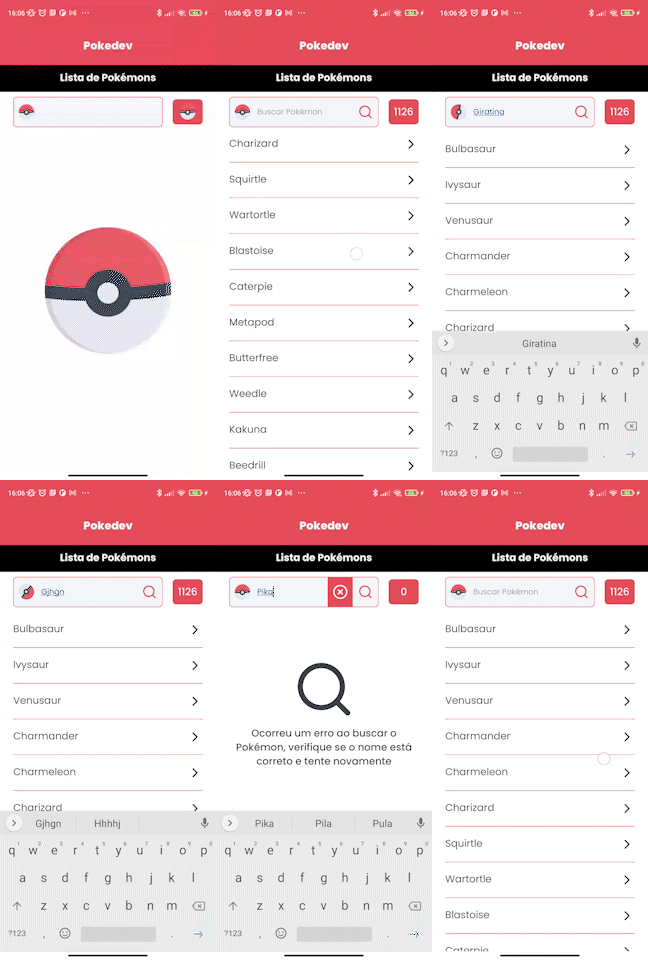
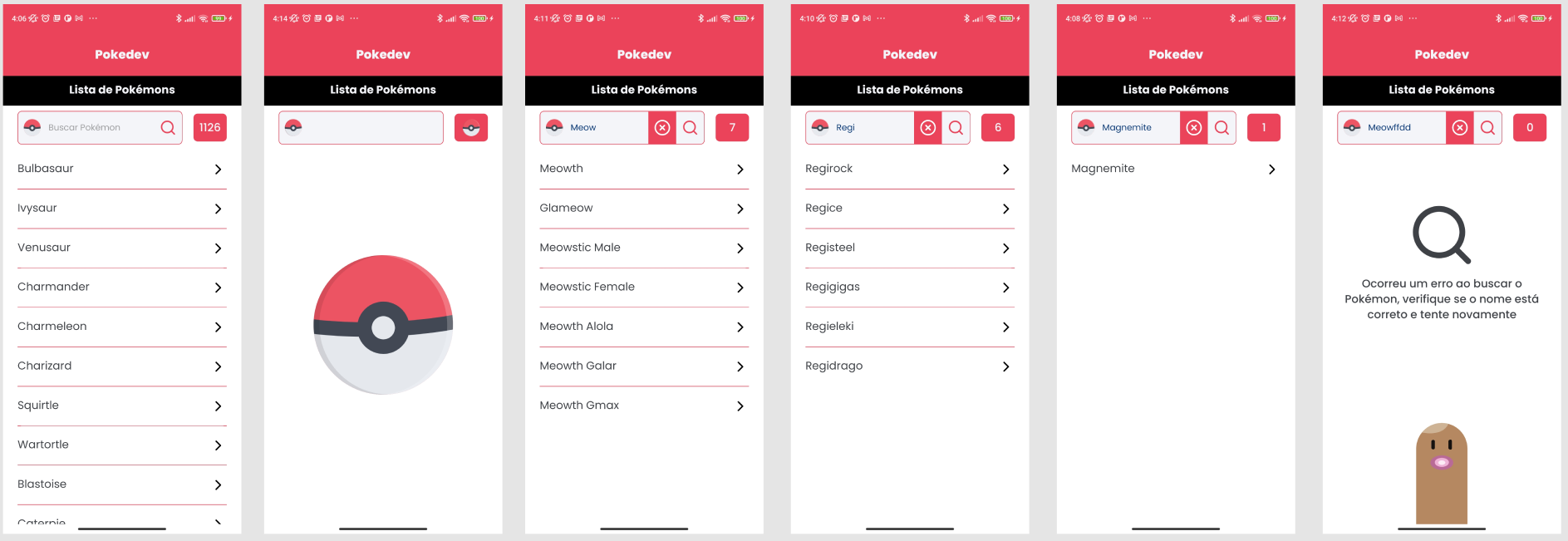
Home:
________
⁉️ Motivo
Com esse projeto foi posto em prática quase todos os conceitos aprendidos com minha experiência profissional e educacional princpalmente com a Rocketseat.
Home
– Funcionalidades:
Listagem de todos Pokémons e suas variações.
Perfomática, por meio da Flatlist.
Pesquisa de qualquer Pokémons e suas variações.
É feita pelo nome(não existe pokémon com o mesmo nome).
Todos Pokémon que contém o nome digitado serão mostrados como resultados garantindo assim mesmo que o usuário não lembre totalmente do nome do Pokémon, consiga encontrá-lo.
Exemplo: Pesquisar com a palavra Regi, o resultado será Regigigas, Regice, Regirock, Regidragon, Registeel e Regieleki.
Reset de pesquisa.
É feito por meio de um botão que é ativado no Input após a pesquisa ou caso ocorra algum erro.
Garante melhor usabilidade e praticidade.
Número total de Pokémon seja do resultado da pesquisa ou da listagem geral.
É mostrado na tela em um componente que se atualiza a cada pesquisa ou listagem.
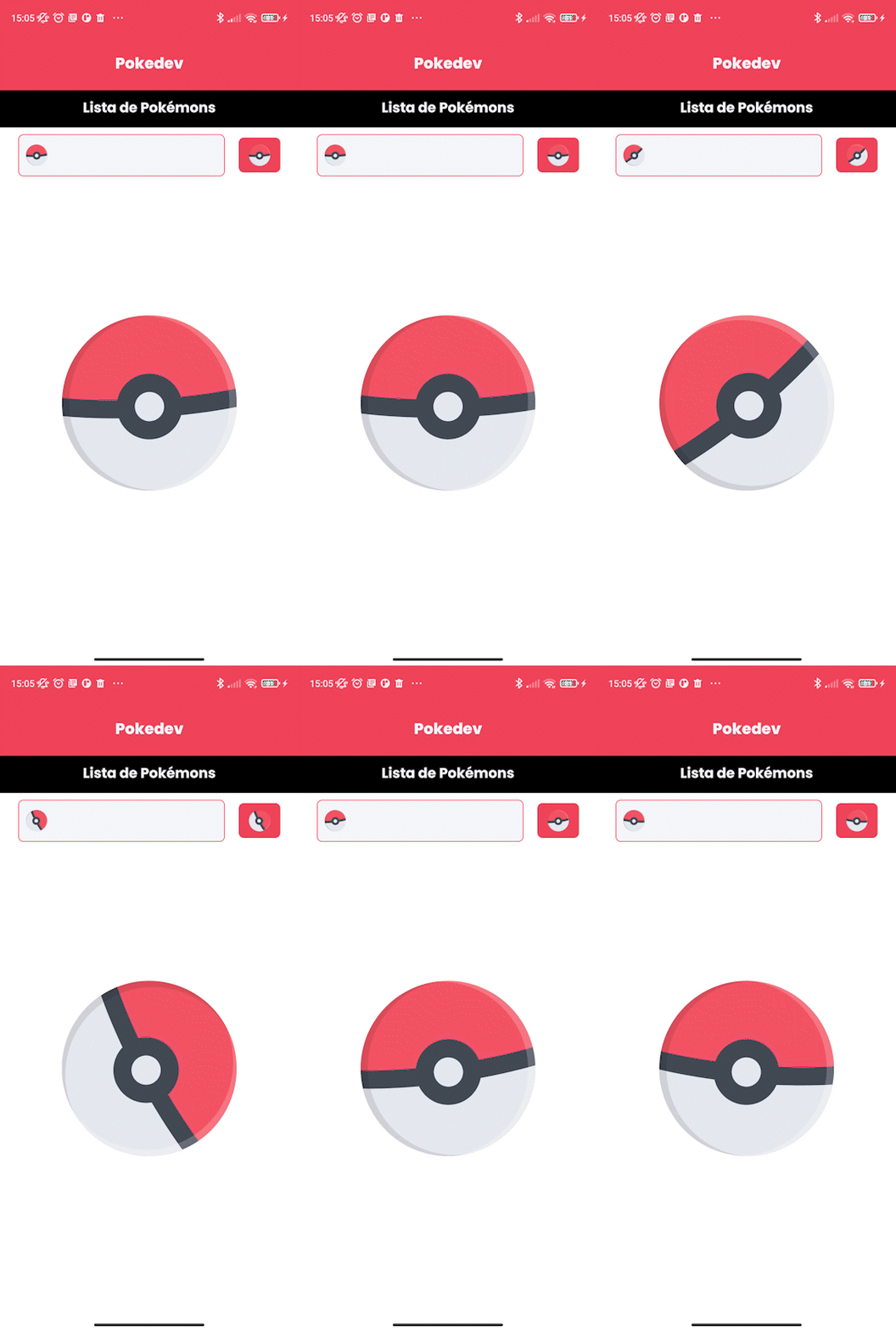
Componente de Loading personalizado para cada componente.
Uso da Lottie Animations.
Loading interativo no Input
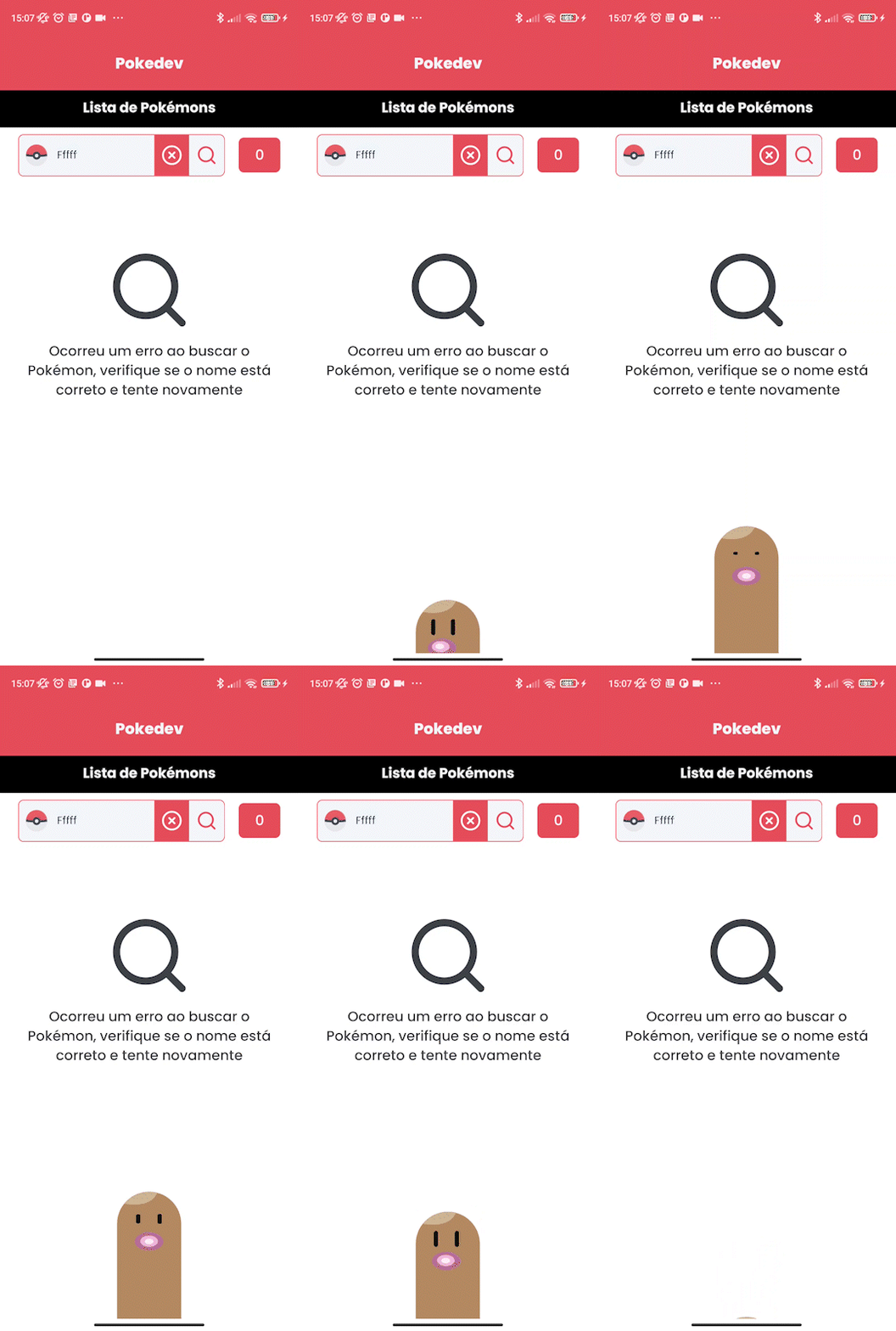
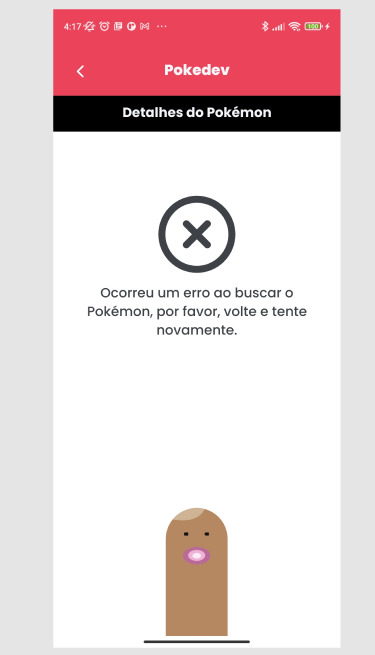
Componente de Erro personalizado e animado caso a listagem ou a pesquisa não tenham resultados.
Uso da Lottie Animations.
Erro interativo no Input.
Focus e Submit inteligente no Input de pesquisa.
Ao digitar o nome do Pokémon, podemos tanto pesquisar apertando o botão de pesquisa quanto apertar o botão de submit padrão do teclado do dispositivo móvel.
Ao apertar em qualquer outra região da tela será retirado o foco do Input.
Foi necessário o uso do TouchableWithoutFeedback para que o Input não fique ativado quando o usuário clicar em qualquer outra região da tela em conjunto com o onStartShouldSetResponder para evitar problemas de icompatibilidade com a Flatlist e RectButton.
Página de detalhes sobre o Pokémon:
________
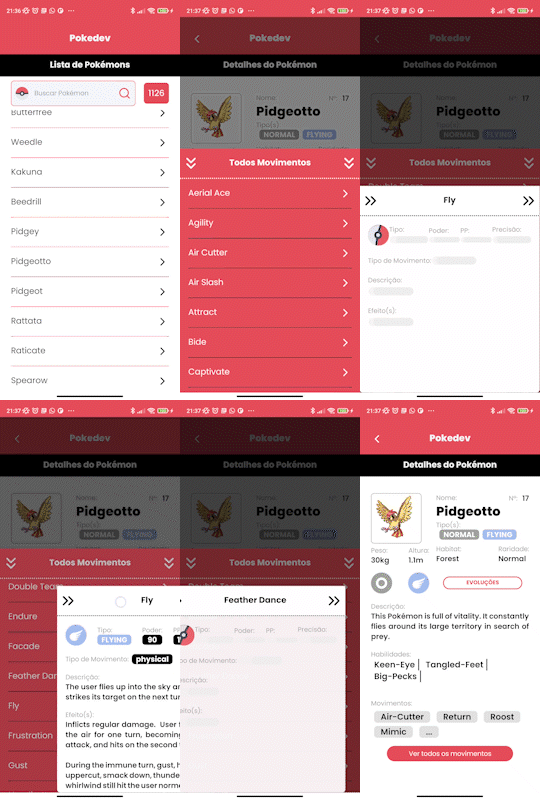
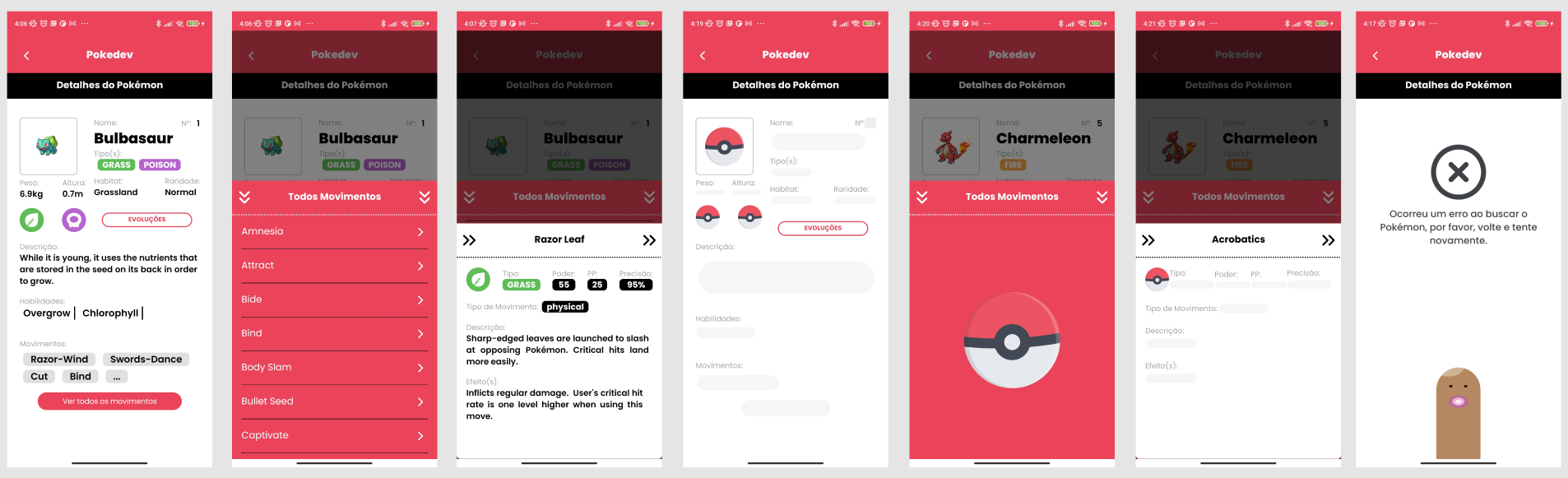
Página sobre o Pokémon
Funcionalidades:
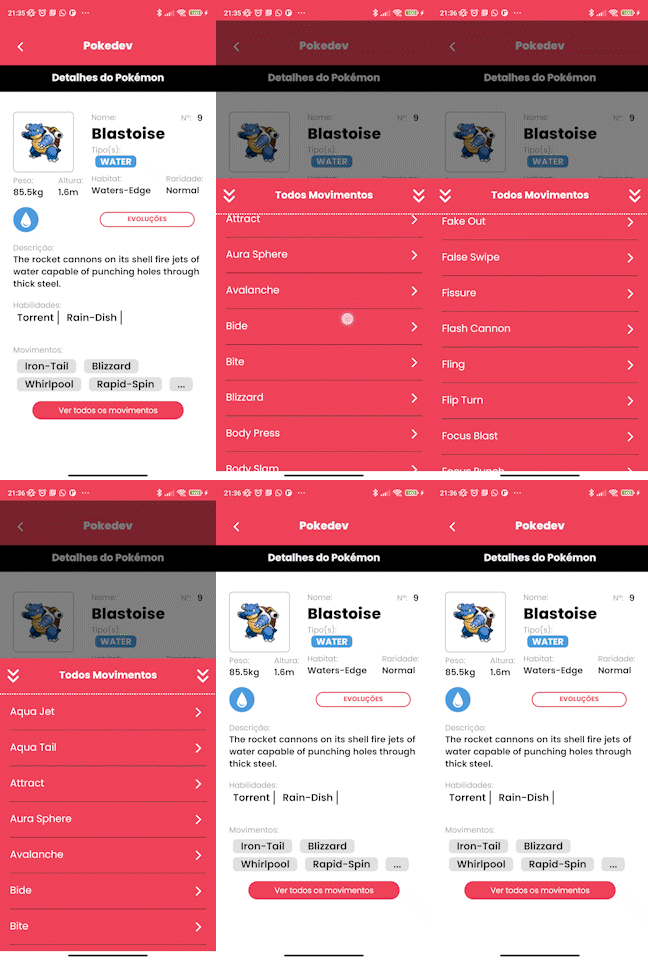
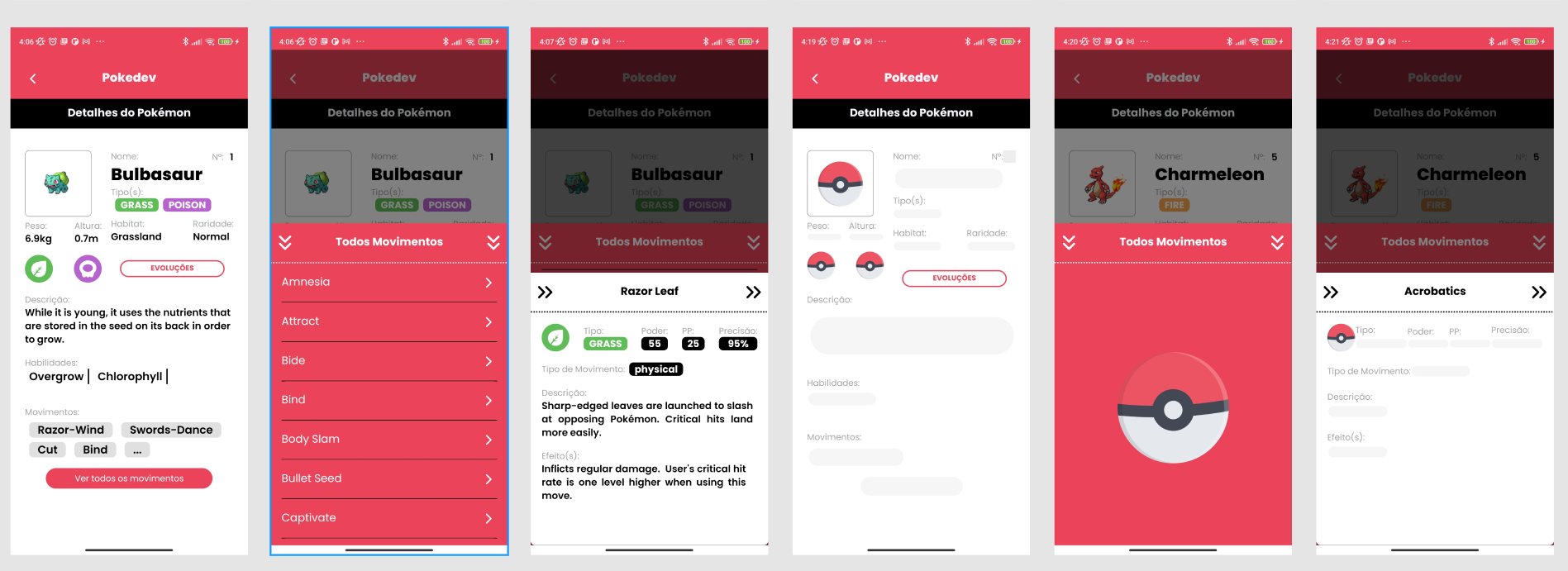
Informações sobre o Pokémon.
Nome, número, habitat, tipo, habilidades, etc.
Todas as informações são mostradas em um componente que se atualiza a cada pesquisa ou listagem.
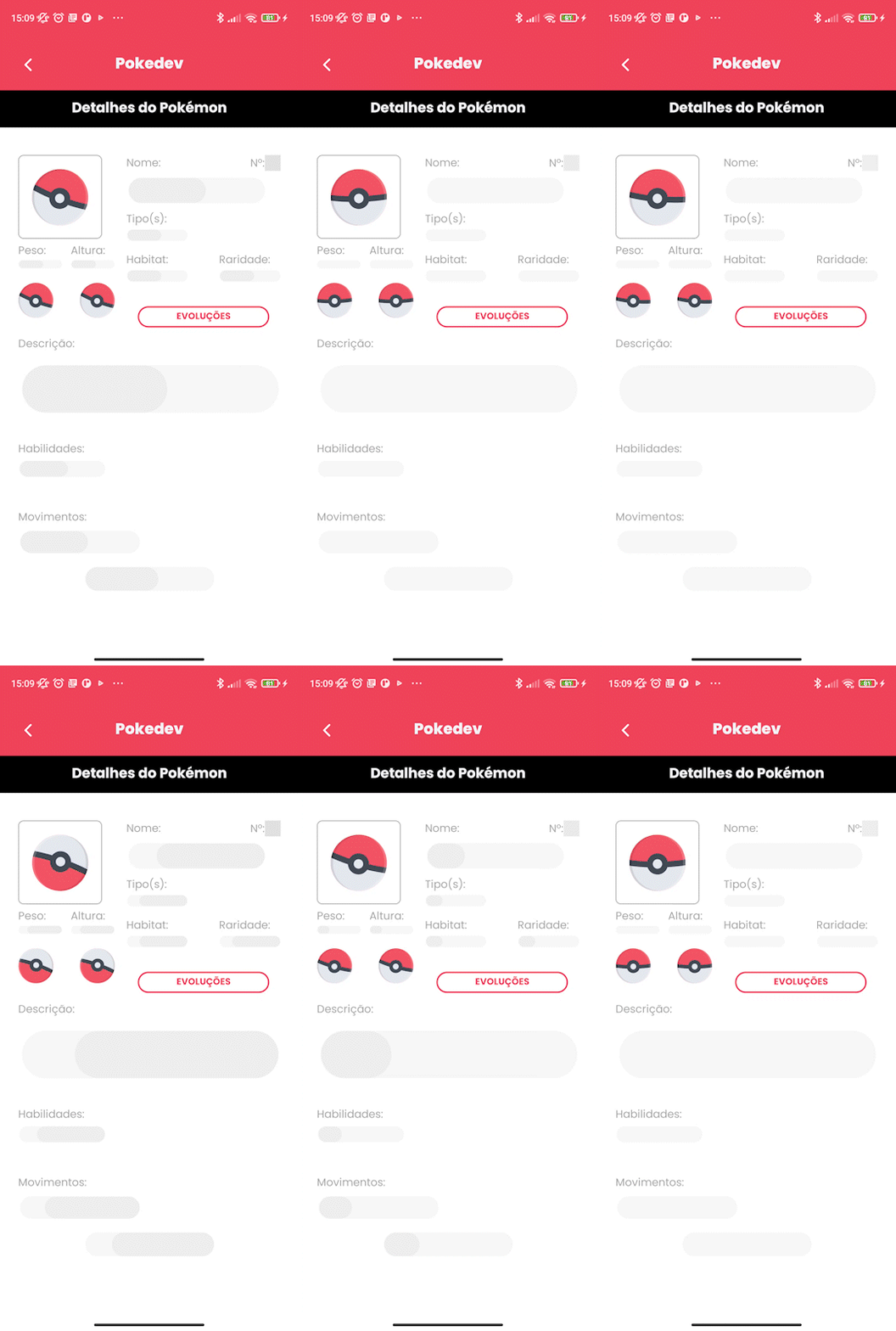
Componente de loading personalizado e animado em todos componentes.
Nessa tela foi necessário realizar 2 requisições para obtermos todas informações exibitdas:
Uma para obter o nome do Pokémon, tipo, número na national pokedex, peso, altura, habilidades e movimentos.
Outra para obter o habitat, raridade e descrição.
Para isso houve determinada dificuldade pois uma requisição dependia da outra, ou seja, eram processos assíncronos dependentes fazendo com que houvesse difiluldade em garantir que uma requisção seja feita somente após a outra, ou cudiado no uso de uma variável Estado
Modais
Há 2 modais que podem ser acessíveis nessa tela:
Modal de listando de todos movimentos
É acessado ao tocar no botão de todos movimentos.
O botão de todos movimentos não é mostrado caso o pokémon não tenha mais de 4 movimentos, ou seja, o modal não é acessível caso todos movimentos do pokémon já estejam sendo mostrado na página de detalhes de pokémon(ate 4).
O Modal é deslizável(swipeable) na vertical, pode ser fechado deslizando para baixo ou aperdando nos botões com os ícones indicando para baixo.
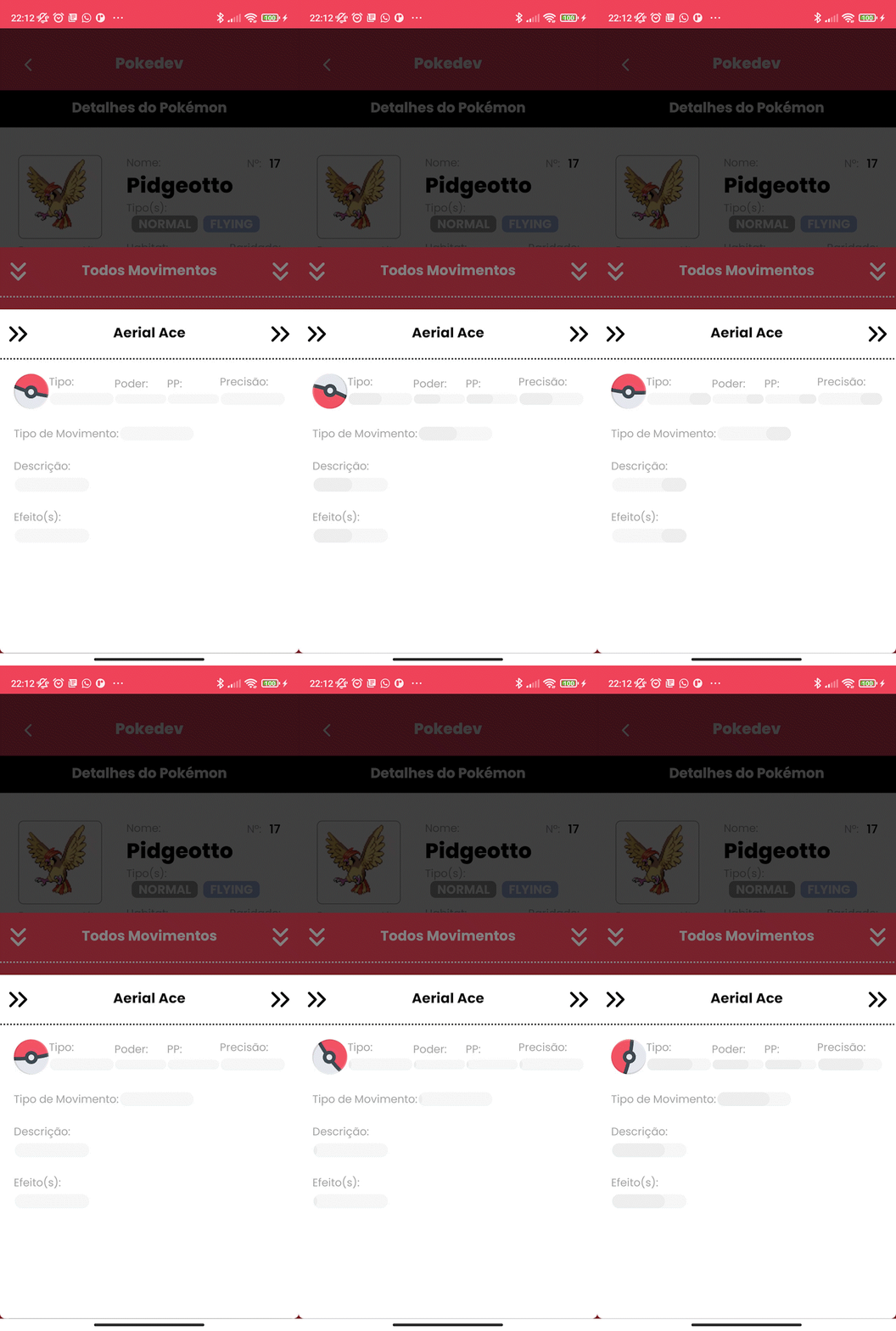
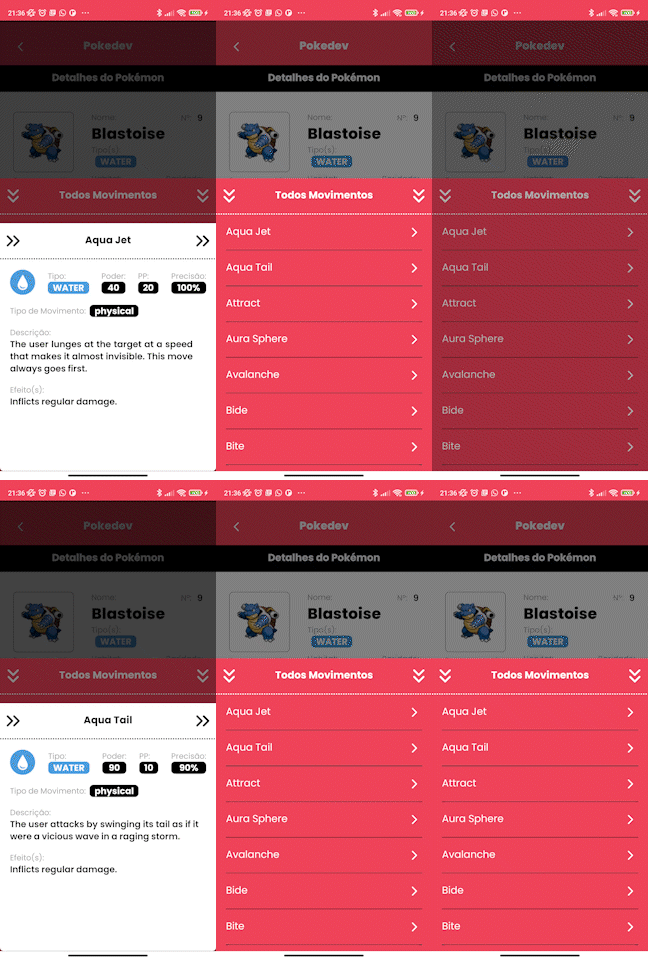
Modal sobre cada movimento
É acessado por meio do modal acima, no caso, ao apertar em algum movimento da listagem acima o modal sobre o movimento é aberto.
Assim como o de cima, também é deslizável(swipeable), mas nesse caso na horizontal
Nele é feito a requisição para obter as informações exibidas sobre o movimento selecionado.
Essa requisição depende da url do movimento selecionado, ou seja, assim como mencionado anteriormente tamém é uma requisição que depende de outra.
Nesse caso depende da requisição sobre os detalhes do pokémon feita na página de detalhes do pokémon, um dos parâmetros retornados no objeto da resposta é um vetor de objeto, cada um contendo o nome de todos movimentos daquele pokémon e a url de cada um.
Modais
____________
Funcionalidades em desenvolvimento:
i. Modal de evolução dos pokémons
Não foi possível terminar ainda a parte da impressão no modal e estilização das evoluções de cada pokémon mas a requisição já foi contruída no código assim como o botao de evolução
O modal foi desativado para voltar quando a funcionalidade tiver pronta)
ii. Página de “Meus Pokémon” e salvar pokémon
Funcionalidade que permite o usuário salvar/favoritar determinado pokémon e ele ser salvo localmente no dispositivo físico com Assync Storage.
Ainda não foi possível realizar essa funcionalidade mais já foi planejada.
iii. Página sobre o Movimento
Uma página com mais inforações sobre o movimento selecionado no modal sobre os movimentos.
Teríamos um botão nele que acessaria essa página para detalhar mais informações e uma listagem com todos pokémons que possui aquele movimento.
iv. Splash Screen
Tela de loading inicial da aplicação.
🎨 Design
Pokedev
Código:
É tentando manter o padrão que é ensinado na Rocketseat para o código mais limpo, organizado de facil entendimento com sua estrutura de pastas também.
Em geral foi todo código foi feito com TypeScript de forma a manter sempre uma tipagem/interface para cada elemento que foi usado tanto para facilitar o desenvolvimento e entendimento do código tanto para o dev quanto para o VsCode/IDE, quanto para manter a consistência do código e a IDE possa sugerir correções e recomendações de forma mais efetiva.
Estilização:
Toda estilização foi realizada com styled-components, que é uma biblioteca de css que tem como objetivo facilitar a criação de estilos e componentes de forma mais eficiente e similar a web com ReactJS, assim podemos manter o mesmo padrão para web e mobile facilitando o desenvolvimento.
Foi criado um tema global com as fontes e cores do projeto que são passadas no Figma.
A fonte usada foi a Poppins, que é uma fonte popular e livre para uso, está na biblioteca do Google Fonts. Foi instalada no projeto como fonte externa tanto para o android quanto para o IOS.
Para lidar com SVG, JSON, PNG foi necessário realizar uma configuração para que o TypeScript reconheça tais arquivos.
Os SVG foram tipados como componentes React(React.FC) em conjunto com a SvgProps da biblioteca react-native-svg.
React Native
A estrutura dos componentes foi feita por meio de funções, que são funções que retornam um componente React.
A pasta de um componente é composta por um arquivo chamado index.tsx e um arquivo de estilização styles.ts.
Foi usado o yarn como gerenciador de pacotes.
É utilizado a react-native-gesture-handler para criar os botões da aplicação mantendo assim a consistência do dos efeitos de reação do componente entre as platformas IOS e Android.
🌱 Requisitos Mínimos
Android Studio
Celular(Opcional)
Node.js
React
React-Native
TypeScript
Yarn(ou NPM)
🚀 Principais Tecnologias Utilizadas
O projeto foi desenvolvido utilizando as seguintes tecnologias
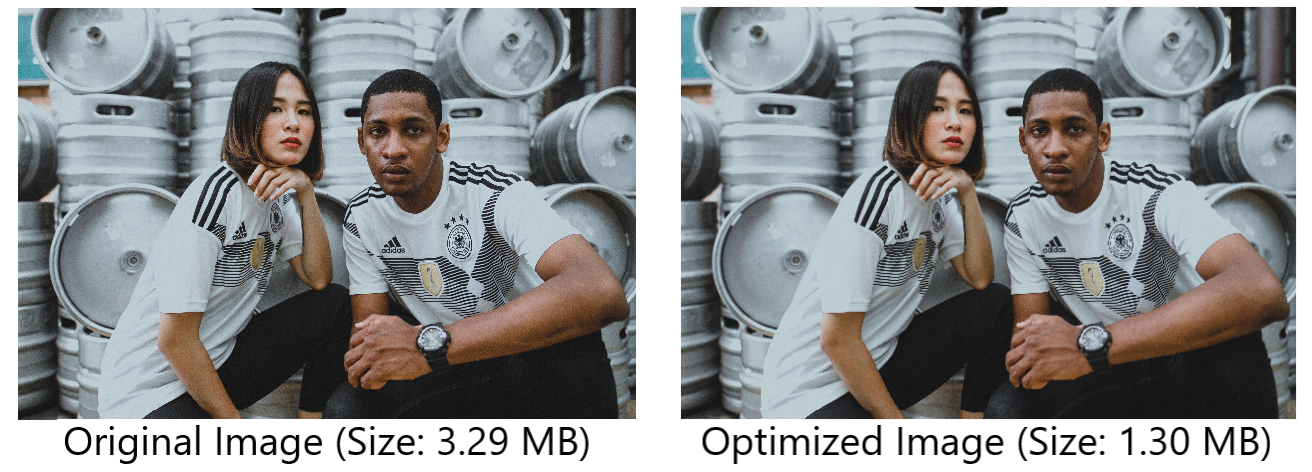
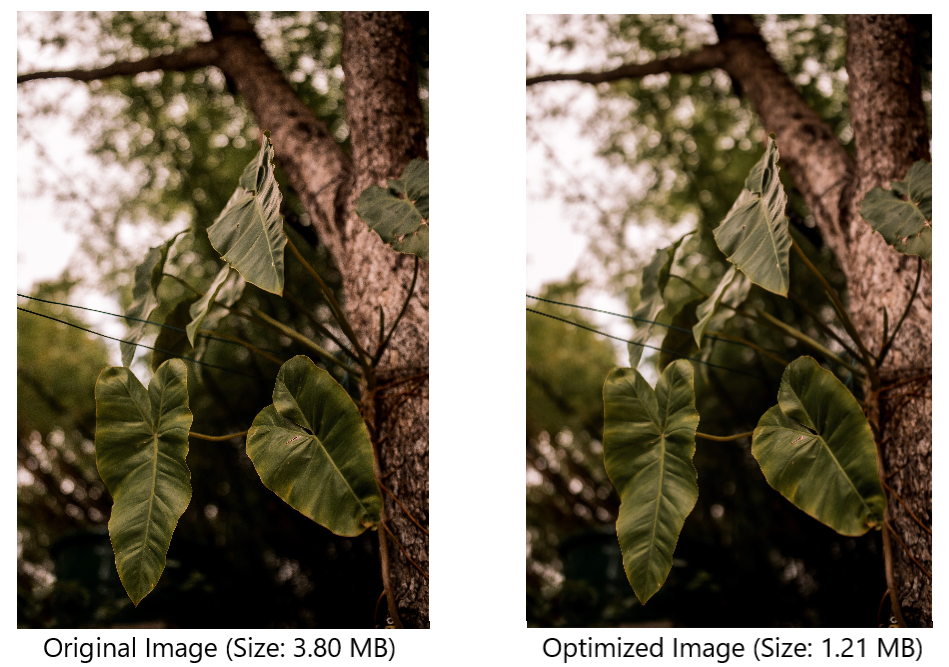
Streamline/Optimize your Images to save storage space…
Compresssio:
The above script uses TinyPNG’s savvy lossy compression methods to reduce the document size of your JPG/PNG files. This is achieved by specifically decreasing the number of colors in the image, therefore lesser number of bytes are required to store the information. The impact of the script is nearly invisible but it makes an exceptionally enormous effect in file size of the image.
You can Find your API Key from the Website https://tinypng.com/developers after Signing Up and save it somewhere on your PC/Laptop.
How To Use !
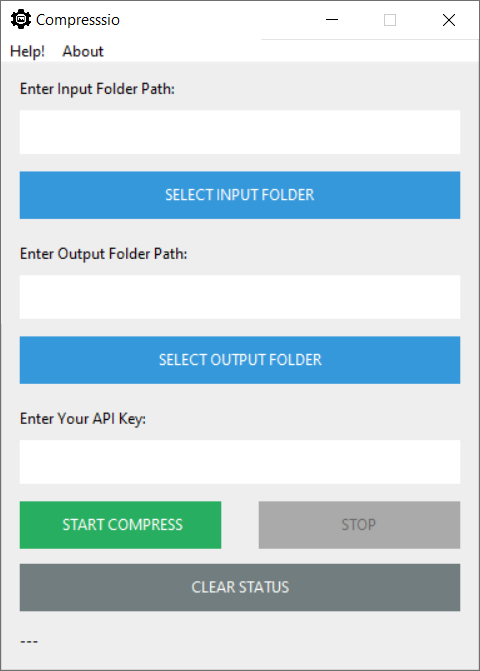
Click SELECT INPUT FOLDER Button to select the INPUT FOLDER which contains all the Images to be Compressed/Optimized.
Click SELECT OUTPUT FOLDER Button to select the OUTPUT FOLDER which will contain all the the Compressed/Optimized Images. (After Compression)
Enter Your API Key from TINYPNG Website. If you don’t have one in possession then you can find on this website https://tinypng.com/developers .
Hit the COMPRESS Button and the INPUT FOLDER containing Supported Image Formats will be Compressed and saved in the OUTPUT FOLDER.
Click CLEAR Button to reset the input fields and status bar. (If needed)
Important Note:
The limit you’ll have at first is of 500 images per month on the Free plan. You can change this according to your requirement at https://tinypng.com/developers
Recommended to keep INPUT and OUTPUT Folder different for your ease to differentiate between Optimized and Unoptimized Images.
This Script is just a Prototype so Metadata is not stored in the Compressed Images from the Original Images.
Directory Structure in INPUT and OUTPUT Folders may differ but all Supported Images will be saved according to their directories.
The Authors will not be responsible for any kind of loss of data so it is essential to have a Backup of Original Data placed in the Input Folder. Read the LICENSE for more information.
This dictionary is inspired by and can essentially be seen as a combination of
Emily’s Modifiers and
Achim Siebert’s Left Hand Modifier Keys.
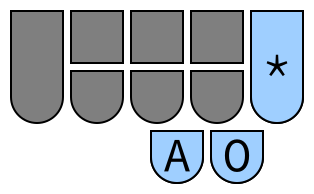
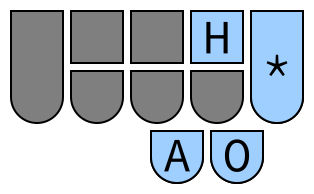
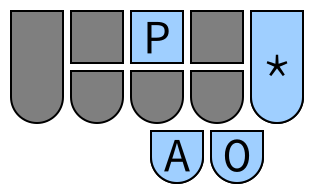
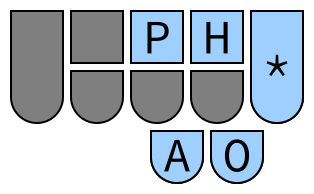
Essentially, it allows every shortcut to be typed in two strokes and using only
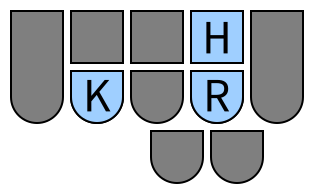
the left hand. As such, only the following keys are used:
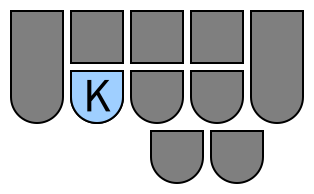
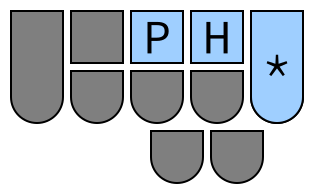
In some combinations, the asterisk key is used. This requires the asterisk key
to be pressed using the left hand, which should be fine on most hobbyist writers
but may be a problem on some professional writers.
Modifiers
The first of the two strokes in each combination is used to specify the modifier
keys that should be pressed. It is also possible to not press any modifier keys,
since some applications have shortcuts that are activated by just a single
keypress.
Single modifier keys
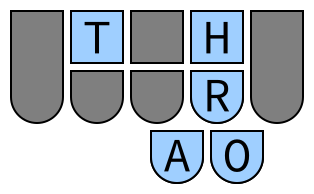
Patterns for single modifier keys.
Stroke
Modifier
Explanation
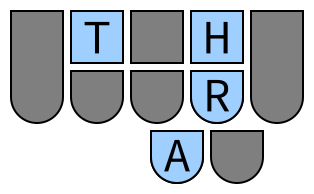
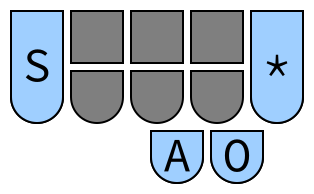
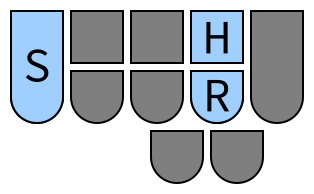
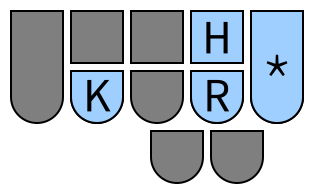
Control
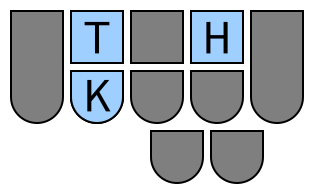
ControL
Alt
ALT (reversed)
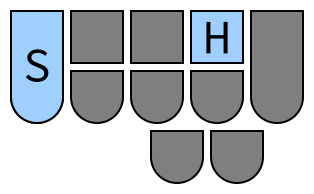
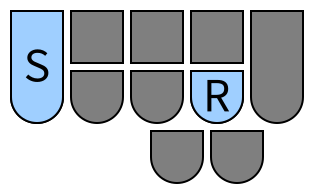
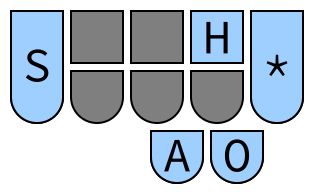
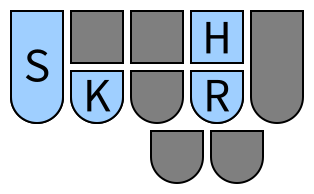
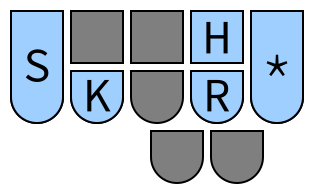
Shift
SHift
Super (Windows/Command)
Purely positional, no phonetic basis
Modifier key combinations
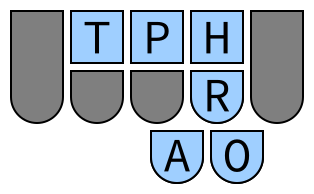
Modifier key combinations are made by stacking the chords for individual
modifier keys on top of each other, with three exceptions:
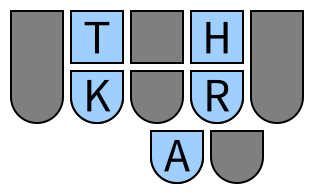
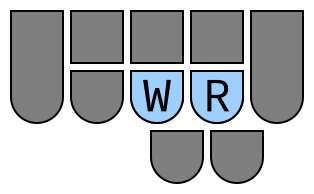
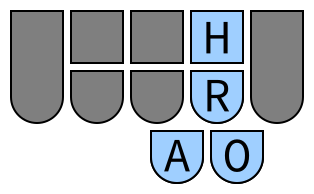
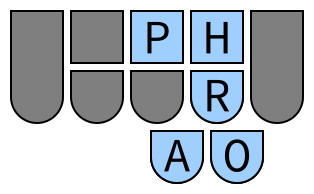
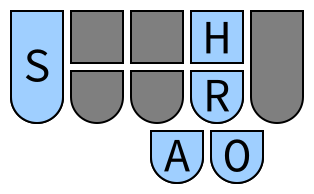
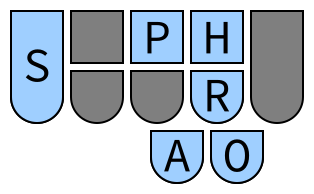
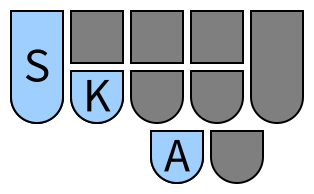
The Ctrl + Alt + Super combination is given TKPWHRAO, with an additional O
due to a conflict with TKPWHRA for Alt + Super.
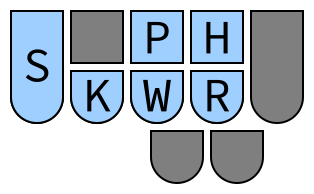
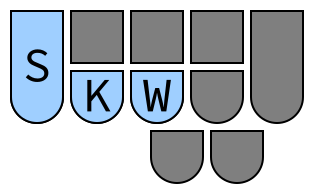
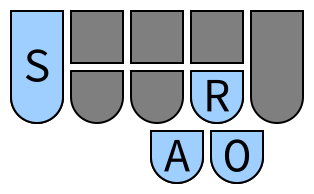
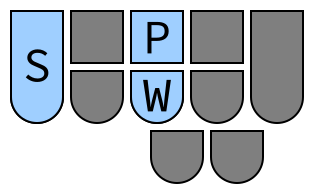
The Ctrl + Shift + Super combination is given SKPWHRO, with an additional
O due to a conflict with SKPWHR for Shift + Super.
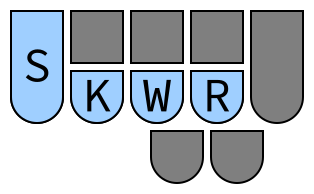
The Ctrl + Alt + Shift + Super combination is given STKPWHRAO, with an
additional O due to a conflict with STKPWHRA for Alt + Shift + Super.
Stroke
Modifiers
Alt + Shift
Ctrl + Alt
Ctrl + Shift
Ctrl + Alt + Shift
Ctrl + Super
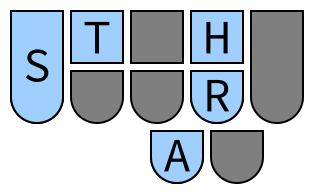
Alt + Super
Ctrl + Alt + Super
Shift + Super
Ctrl + Shift + Super
Alt + Shift + Super
Ctrl + Alt + Shift + Super
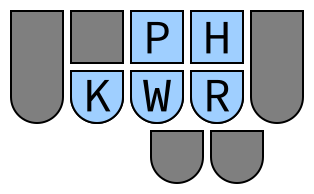
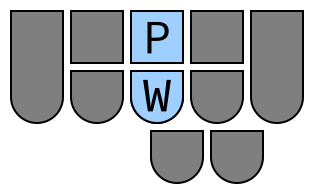
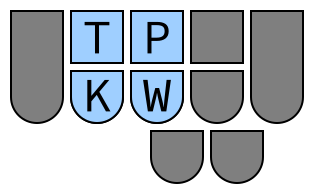
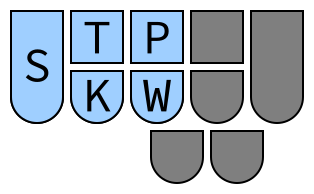
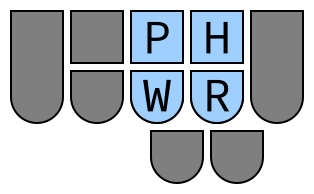
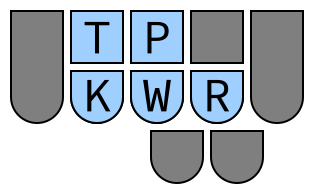
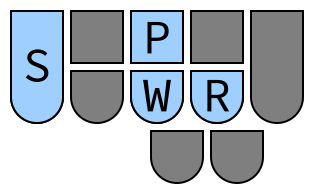
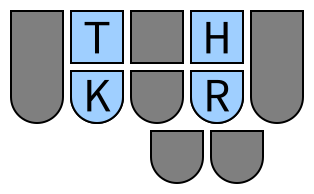
The pattern for no modifier keys is TKPWHR. This presses a key specified in
the second stroke without any additional modifier keys.
Stroke
Modifiers
None
Keys
The second of the two strokes in each combination specifies what key to press
along with the modifiers (if any) selected above.
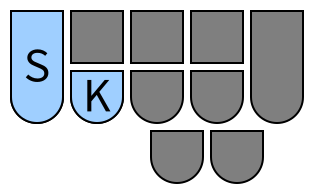
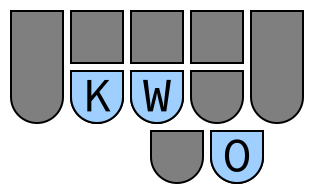
Letters
The patterns for letter keys are the same as the fingerspelling pattern for that
letter (without the asterisk), except for E, I, and U which have been given
special patterns so they fit on the left hand. (Using E, EU, and U for E,
I, and U still work, but are not shown below.)
Stroke
Letter
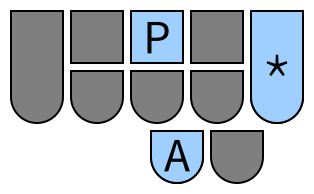
A
B
C
D
E
F
G
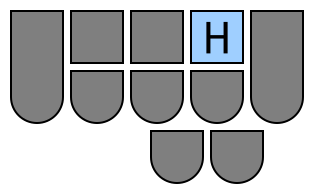
H
I
J
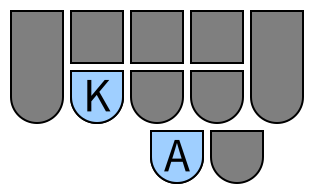
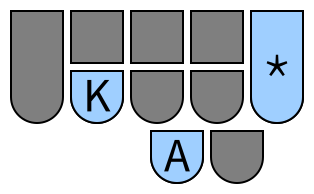
K
L
M
N
O
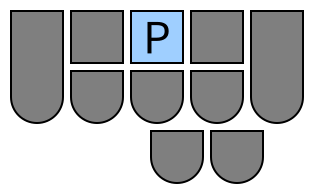
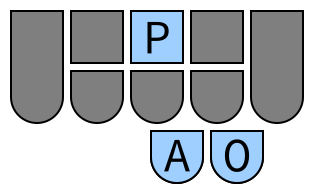
P
Q
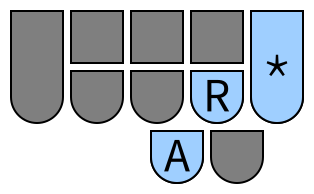
R
S
T
U
V
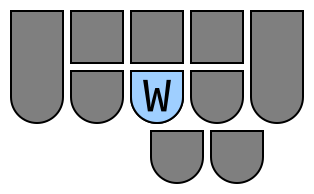
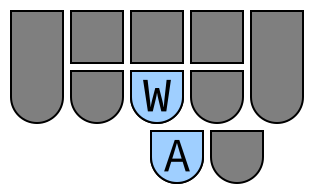
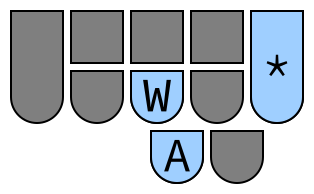
W
X
Y
Z
Z (alternate)
Numbers
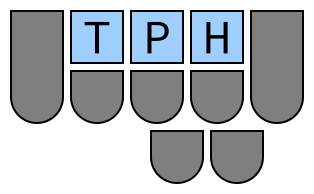
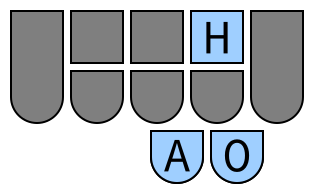
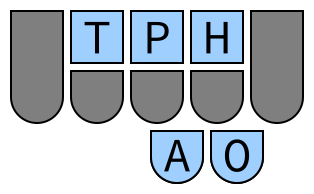
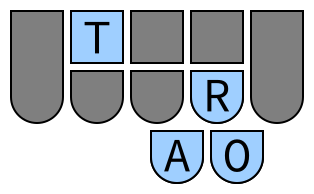
When AO is held, STPH will act as binary number input for numbers 0-9.
Stroke
Number
0
1
2
3
4
5
6
7
8
9
Function Keys
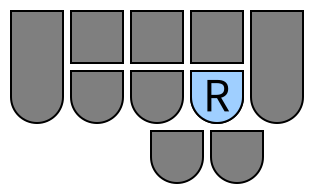
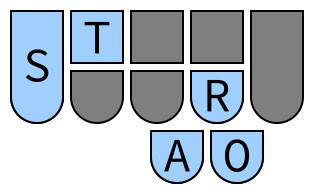
When R is held in addition to the pattern for any number 1-12, the
corresponding function key will be used.
Stroke
Function Key
F1
F2
F3
F4
F5
F6
F7
F8
F9
F10
F11
F12
Numpad
When * is held in addition to the pattern for any number, the number key on
the numpad will instead be used.
Stroke
Number
0 (numpad)
1 (numpad)
2 (numpad)
3 (numpad)
4 (numpad)
5 (numpad)
6 (numpad)
7 (numpad)
8 (numpad)
9 (numpad)
Symbol keys
Stroke
Key
Explanation
.
PeRiod
,
CoMMa
/
SLash
\
BackSLash
;
SemiCoLon
'
QUOte
[
Bracket Left
]
Bracket Right
-
DasH
=
eQUAls
ˋ
GRave
Navigation keys
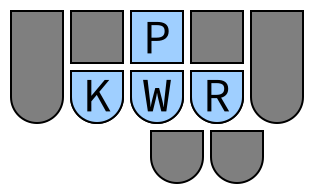
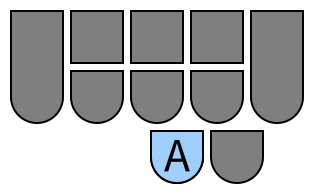
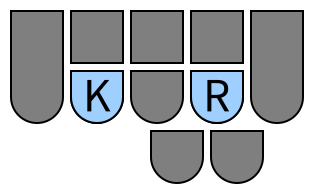
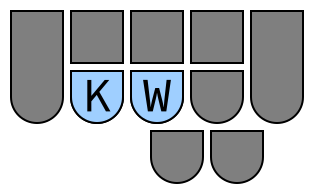
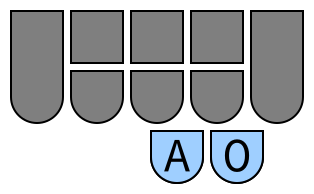
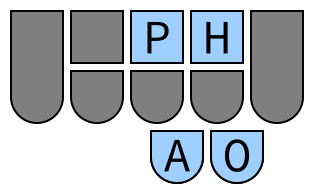
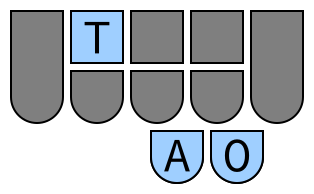
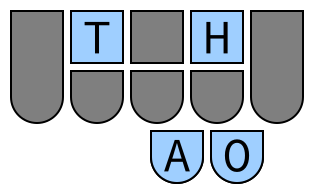
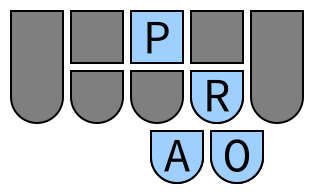
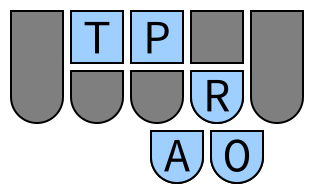
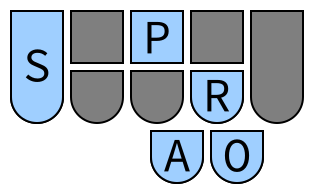
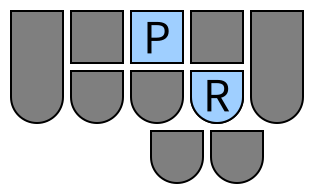
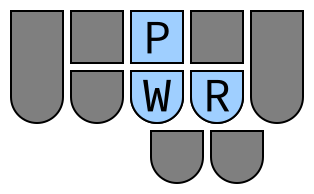
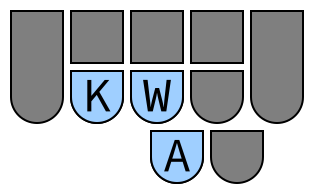
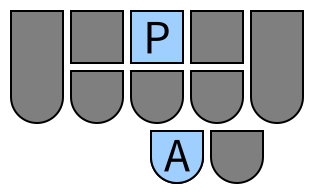
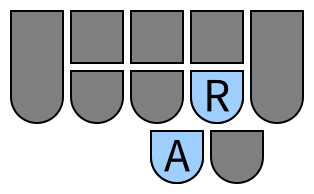
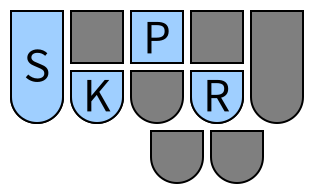
Holding down A (for arrow) will cause PKWR to act as arrow keys.
Stroke
Key
Up
Down
Left
Right
Holding down * in addition to the stroke for any arrow key will cause the keys
to act as page up, page down, home, and end.
Stroke
Key
Page Up
Page Down
Home
End
Other keys
Stroke
Key
Explanation
Caps Lock
Caps Lock + asterisk
Scroll Lock
SCroll Lock + asterisk
Num Lock
Num lock + asterisk
Space
SPace
Return
ENTeR
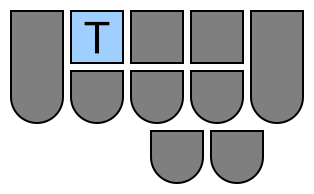
Tab
TaB
Backspace
BackSpace
Delete
DeLete
Escape
eSCApe
Insert
iNSert
Menu
Menu + asterisk
Print Screen
SCreen PRint
Only modifiers
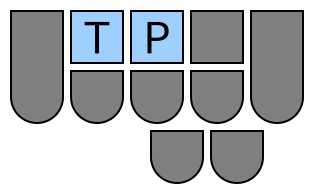
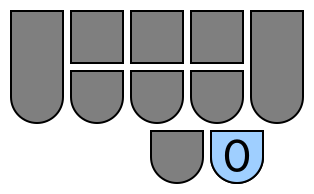
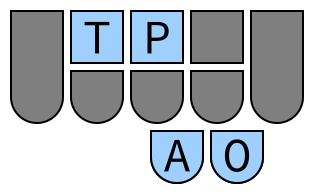
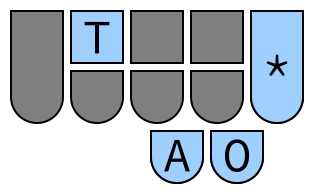
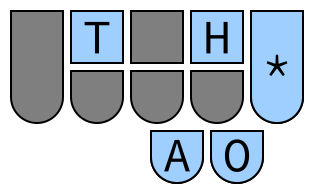
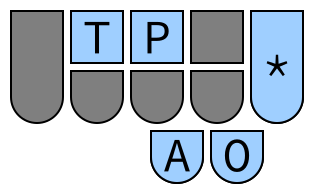
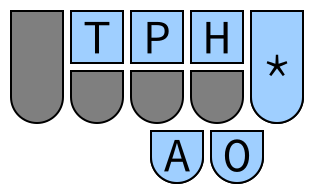
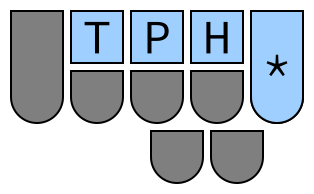
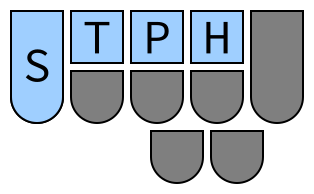
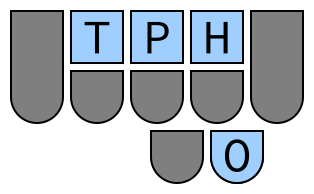
The pattern TPHO (“no”) allows only modifier keys to be pressed, with no other
keys included.
Stroke
Key
None
Cancel
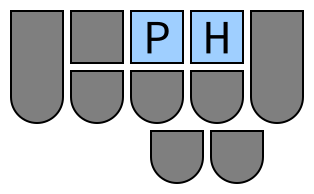
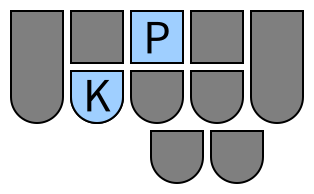
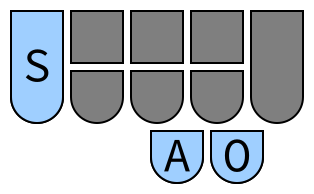
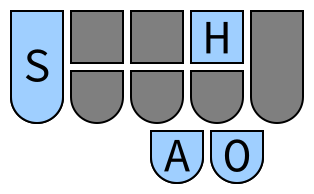
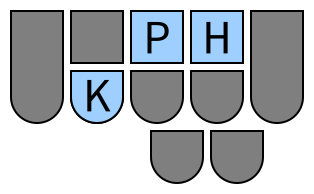
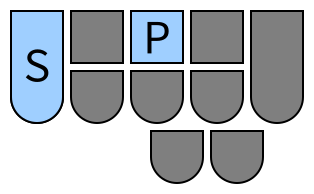
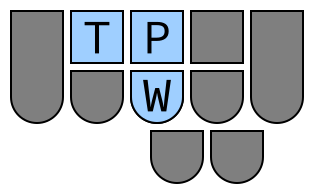
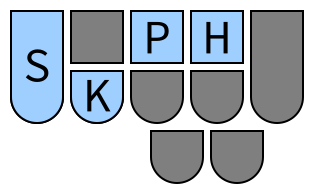
If you pressed a modifier key pattern on accident, you can use SKPH to cancel
it.
URL shortening is used to create shorter aliases for long URLs. We call these shortened aliases “short links.” Users are redirected to the original URL when they hit these short links. Short links save a lot of space when displayed, printed, messaged, or tweeted. Additionally, users are less likely to mistype shorter URLs.
For example, if we shorten the following URL through TinyURL:
The shortened URL is nearly one-fifth the size of the actual URL.
Some of the use cases for URL shortening is to optimise links shared across users, easy tracking of individual links and sometimes hiding the affiliated original URLs.
If you haven’t used tinyurl.com before, please try creating a new shortened URL and spend some time going through the various options their service offers. This will help you have a little context to the problem we solve through this project.
Key points
Create a group database groupXDatabase. You can clean the db you previously used and reuse that.
This time each group should have a single git branch. Coordinate amongst yourselves by ensuring every next person pulls the code last pushed by a team mate. You branch will be checked as part of the demo. Branch name should follow the naming convention project/urlShortnerGroupX
Follow the naming conventions exactly as instructed. The backend code will be integrated with the front-end application which means any mismatch in the expected request body will lead to failure in successful integration.
This sink publishes events processed by Siddhi into Prometheus metrics and exposes them to the Prometheus server at the specified URL. The created metrics can be published to Prometheus via ‘server’ or ‘pushGateway’, depending on your preference. The metric types that are supported by the Prometheus sink are ‘counter’, ‘gauge’, ‘histogram’, and ‘summary’. The values and labels of the Prometheus metrics can be updated through the events.
This source consumes Prometheus metrics that are exported from a specified URL as Siddhi events by sending HTTP requests to the URL. Based on the source configuration, it analyzes metrics from the text response and sends them as Siddhi events through key-value mapping.The user can retrieve metrics of the ‘including’, ‘counter’, ‘gauge’, ‘histogram’, and ‘summary’ types. The source retrieves the metrics from a text response of the target. Therefore, it is you need to use ‘string’ as the attribute type for the attributes that correspond with the Prometheus metric labels. Further, the Prometheus metric value is passed through the event as ‘value’. This requires you to include an attribute named ‘value’ in the stream definition. The supported types for the ‘value’ attribute are ‘INT’, ‘LONG’, ‘FLOAT’, and ‘DOUBLE’.
Dependencies
Prometheus server instance should be started.
Prometheus Pushgateway should be started. (optional)
For installing this extension on various siddhi execution environments refer Siddhi documentation section on adding extensions.
Integration Test with Local Docker (Optional)
The prometheus sink can be tested with the Docker base integration test framework. The test framework initialize a Docker container with required configuration before execute the test suit.
To start integration tests,
Install and run Docker
To run the integration tests,
navigate to the siddhi-io-prometheus/ directory and issue the following command.
mvn verify -P local-prometheus
Prometheus target configurations can be modified at the directory for integration tests :
Лабораторные работы по дисциплине “Технологии баз данных” на факультете ПМИ, НГТУ
QUERIES
Запросы к сделанным лабораторным работам и курсовой. Теоретические лабораторные: 1, 2, 3; практические: 4, 5, 8, 9, COURSE.
4. Встроенный SQL
Запросы из варианта
Выдать число деталей, поставлявшихся для изделий, у которых есть поставки с весом от 5000 до 6000.
Поменять местами вес деталей из Рима и из Парижа, т. е. деталям из Рима установить вес детали из Парижа, а деталям из Парижа установить вес детали из Рима. Если деталей несколько, брать наименьший вес.
Найти детали, имеющие поставки, объем которых не превышает половину максимального объема поставки этой детали поставщиком из Парижа.
Выбрать поставщиков, не поставивших ни одной из деталей, поставляемых для изделий из Парижа.
Выдать полную информацию о деталях, которые поставлялись ТОЛЬКО поставщиками, проживающими в Афинах.
Условия задачи
Разработать и отладить ESQL/С-программу, реализующую задачу 1 из соответствующего варианта заданий, результатом которой
является единственная строка.
Разработать и отладить ESQL/С-программу, реализующую задачу 2 из соответствующего варианта заданий и связанную с модификацией
базы данных.
Изучить синтаксис и правила использования операторов Declare, Open, Fetch, Close, а также особенности работы с курсором.
Разработать и отладить набор ESQL/С-программ, решающих задачи 3–5 из соответствующего варианта заданий с использованием
аппарата курсоров (последовательного и скроллирующего). Результатом работы программ является набор строк, которые подлежат выводу на
экран с соответствующими пояснительными заголовками.
5. Динамический SQL
Запросы из варианта
Получить число поставок для каждого поставщика и найти их среднее.
Для каждого изделия из указанного города найти суммарный объем поставок по каждой детали, для него поставлявшейся. Вывести номер изделия, название изделия, номер детали, название детали, цвет детали, суммарный объем поставок детали для изделия.
Ввести номер детали P*. Найти города, в которые поставлялась деталь P*, и определить, какой процент составляют поставки в каждый город от общего числа поставок детали P*. Вывести город, число поставок деталей в этот город, общее число поставок детали P*, процент.
Условия задачи
Изучить синтаксис и правила использования операторов Prepare, Execute, а также особенности работы с курсором при выполнении динамического оператора SQL.
Разработать и отладить набор ESQL/С-программ, решающих задачи из соответствующего варианта заданий. Результатом работы программ является одна или несколько строк, которые подлежат выводу на экран с соответствующими пояснительными заголовками.
8. Доступ к базам данных с использованием ADO.NET
Запросы из варианта
Получить информацию о рекомендованной цене на указанное изделие на заданную дату.
Для изделий, в состав которых входит заданная деталь, сдвинуть на месяц назад дату начала действия последней рекомендованной цены.
Условия задачи
Разрабатываемое web-приложение должно удовлетворять следующим требованиям:
Содержать форму для ввода параметров запросов и отображения результатов выполнения запросов в соответствии с заданием, а также обработчик (на Visial C#) для доступа к базе данных и выполнения запросов;
Ввод параметров задания на форме может быть осуществлен либо путем ввода значений в текстовом виде, либо посредством выбора значений из предлагаемого списка (в случае, когда список может быть сформирован из БД).
9. Технология Activex Data Objects (ADO)
Запросы из варианта
Для каждого изделия на конец каждого года получить:
размер максимальной поставки;
сумму, на которую выполнены поставки для изделия;
процент этой суммы от общей суммы по всем изделиям за год.
Упорядочить по году и проценту. Выделить строки, где процент не меньше 50.
Для указанных изделия и года по каждой поставке вывести:
сумму поставки;
разницу между ценой детали в поставке и средней ценой детали за год.
Изменить цену детали в поставке.
Условия задачи
Разрабатываемое приложение должно удовлетворять следующимтребованиям:
Приложение должно включать в себя три формы:
– модуль данных, содержащий все необходимые компоненты для работы с базой данных;
– форму для просмотра выборок данных;
– форму для выполнения запроса модификации данных.
Соединение с базой данных должно выполняться через компонент ADOConnection. Для выборки данных использовать ADOQuery.
Модификация данных должна выполняться либо серверной функцией, вызываемой из приложения через ADOStoredProc, либо запросом через ADOQuery.
Просмотр выборок должен осуществляться через компоненты DBGrid. Просмотр должен быть согласованным (выборка по второму запросу должна выполняться для текущей строки выборки по первому запросу). Строки выборок должны быть отсортированы по указанным в задании столбцам. Названия столбцов должны быть на русском языке. Строки выборок, удовлетворяющие указанным в задании условиям, должны быть выделены (цветом фона и/или цветом/стилем шрифта).
Визуализация формы для выполнения запроса на модификацию может вызываться либо нажатием кнопки, либо через контекстное меню.
Ввод параметров для модификации данных может быть осуществлен либо путем ввода значений в текстовом виде, либо посредством выбора значений из предлагаемого списка.
После модификации данных должно появляться сообщение о том, насколько успешно прошла модификация.
В случае возникновения ошибки должно выдаваться соответствующие сообщение.
COURSE. Технологии тиражирования данных
Условия задачи
Изучить технологии тиражирования данных.
В схеме базы данных, с которой ведется работа, создаются несколько таблиц одинаковой структуры и единого содержимого, которые имитируют таблицы, находящиеся в различных базах данных.
Таблицы могут быть любой структуры, но при этом должны содержать два поля:
Поле даты/времени для хранения времени вставки/обновления/удаления строки.
Символьное поле, идентифицирующее выполненную операцию (вставка/обновление/удаление) и источник изменений.
Разработать программное обеспечение, состоящее из трех отдельных программ:
Программа инициализации данных (ИД).
Записывает данные во все таблицы, участвующие в реализуемой схеме модели репликации:
В поле даты/времени заносится текущее время инициализации;
В поле идентификации операции заносится значение «Начальная вставка».
Содержимое таблицы, идентичное во всех условных базах данных, запоминается в журнале содержимого таблиц.
Программа имитации работы системы (ИРС).
С определенной дискретностью (интервал в несколько секунд) моделирует процесс работы информационной системы, выполняя следующие действия:
Случайным образом выбирает одну из условных баз данных.
Случайным образом выбирает одну из операций (вставка/обновление/удаление).
Если выполняется операция вставки, то в выбранную базу данных вставляется строка, в которой:
– в поле даты/времени заносится текущее время вставки;
– в поле идентификации операции заносится значение «Вставка».
В журнале изменений запоминается:
– время вставки;
– база данных, в которую выполняется вставка;
– вставленная строка.
Если выполняется операция обновления, то в выбранной базе данных обновляется строка с минимальным id, в которой:
– в поле даты/времени заносится текущее время обновления;
– в поле идентификации операции заносится значение «Обновление».
В журнале изменений запоминается:
– время обновления;
– база данных, в которую выполняется обновление.
Если выполняется операция удаления, то в выбранной базе данных удаляется строка с максимальным id.
Перед удалением в журнале изменений запоминается:
– время удаления;
– база данных, из которую выполняется удаление;
– удаляемая строка.
Программа репликатор данных (РД).
Работает в соответствии с моделью репликации, определенной условиями (схема репликации, условие запуска репликатора, способ разрешения коллизий).
После выполнения цикла репликации (переноса данных и обеспечения согласованного состояния таблиц) программа РД фиксирует в журнале содержимого таблиц:
Текущее время;
Содержимое всех таблиц условных баз данных
Исходные данные
Схема репликации
Запуск репликатора
Разрешение коллизии
Однонаправленное тиражирование «Центр-филиалы»
Изменение (вставка, модификация, удаление), выполненное в одной из периферийных баз данных (ПБД), тиражируется в центральную базу данных (ЦБД)
После выполнения указанного числа транзакций, задаваемого при запуске программы РД
Web Path Finder is a Python program that provides information about a website. It retrieves various details such as page title, last updated date, DNS information, subdomains, firewall names, technologies used, certificate information, and more.
Features and Benefits
Retrieve important information about a website
Gain insights into the technologies used by a website
Identify subdomains and DNS information
Check firewall names and certificate details
Perform bypass operations for captcha and JavaScript content
This will install all the required modules and their respective versions.
Usage
Run the program using the following command:
┌──(root💀denizhalil)-[~/MyProjects/]
└─# python3 pathFinder.py --help
usage: pathFinder.py [-h] url

Web Information Program

positional arguments:
  url         Enter the site URL

options:
  -h, --help  show this help message and exit
Replace <url> with the URL of the website you want to explore.
Example Output
Here is an example output of running the program:
┌──(root💀denizhalil)-[~/MyProjects/]
└─# python3 pathFinder.py https://www.facebook.com/
    Site Information:
    Title:  Facebook - Login or Register
    Last Updated Date:  None
    First Creation Date:  1997-03-29 05:00:00
    Dns Information:  []
    Sub Branches:  ['157']
    Firewall Names:  []
    Technologies Used:  javascript, php, css, html, react
    Certificate Information:
    Certificate Issuer: US
    Certificate Start Date: 2023-02-07 00:00:00
    Certificate Expiration Date: 2023-05-08 23:59:59
    Certificate Validity Period (Days): 90
    Bypassed JavaScript content:
Contributing
Contributions are welcome! To contribute to PathFinder, follow these steps:
Fork the repository.
Create a new branch for your feature or bug fix.
Make your changes and commit them.
Push your changes to your forked repository.
Open a pull request in the main repository.
Thanks
Thank you my friend Varol
License
This project is licensed under the MIT License – see the LICENSE file for details.
Contact
For any inquiries or further information, you can reach me through the following channels:
az ad app create –reply-urls https://$SERVER_APP_NAME –display-name $SERVER_APP_NAME –password $SERVER_APP_PASSWORD
SERVER_APP_ID=$(az ad app list –output json | jq -r –arg appname $SERVER_APP_NAME ‘.[]| select(.displayName==$appname) |.appId’)
az ad app update –id $SERVER_APP_ID –set groupMembershipClaims=All
az ad app permission add –id $SERVER_APP_ID –api $MICROSOFT_GRAPH_GUID –api-permissions $USER_READ_ALL_DELEGATED=$AAD_SCOPE $DIRECTORY_READ_ALL_DELEGATED=$AAD_SCOPE $DIRECTORY_READ_ALL_APPLICATION=$AAD_ROLE
az ad app permission admin-consent –id $SERVER_APP_ID
#Client Application
CLIENT_APP_ID=$(az ad app create –display-name “${SERVER_APP_NAME}-Client” –native-app –reply-urls “https://${SERVER_APP_NAME}-Client” –query appId -o tsv)
SERVER_OAUTH_PERMISSION_ID=$(az ad app show –id $SERVER_APP_ID –query “oauth2Permissions[0].id” -o tsv)
az ad app permission add –id $CLIENT_APP_ID –api $SERVER_APP_ID –api-permissions $SERVER_OAUTH_PERMISSION_ID=Scope
#az ad app permission grant –id $CLIENT_APP_ID –api $SERVER_APP_ID
az ad app permission admin-consent –id $CLIENT_APP_ID
You may need to change the execution policy to run the script. To do this you have a few options:
Change the Execution Policy Temporarily
You can change the execution policy for the current PowerShell session only, without affecting the system-wide execution policy:
Set-ExecutionPolicy -Scope Process -ExecutionPolicy Bypass
Change the Execution Policy Permanently
You can change the execution policy permanently for all PowerShell sessions. Open a PowerShell window with “Run as Administrator” option and run:
Set-ExecutionPolicy RemoteSigned
This will allow running unsigned scripts that you write on your local computer and signed scripts from the Internet. Please note that this changes the policy permanently. If you want to change it back to the default, run:
Set-ExecutionPolicy Restricted
Bypass Execution Policy at Run-time
You can also bypass the execution policy at run-time with this command: